



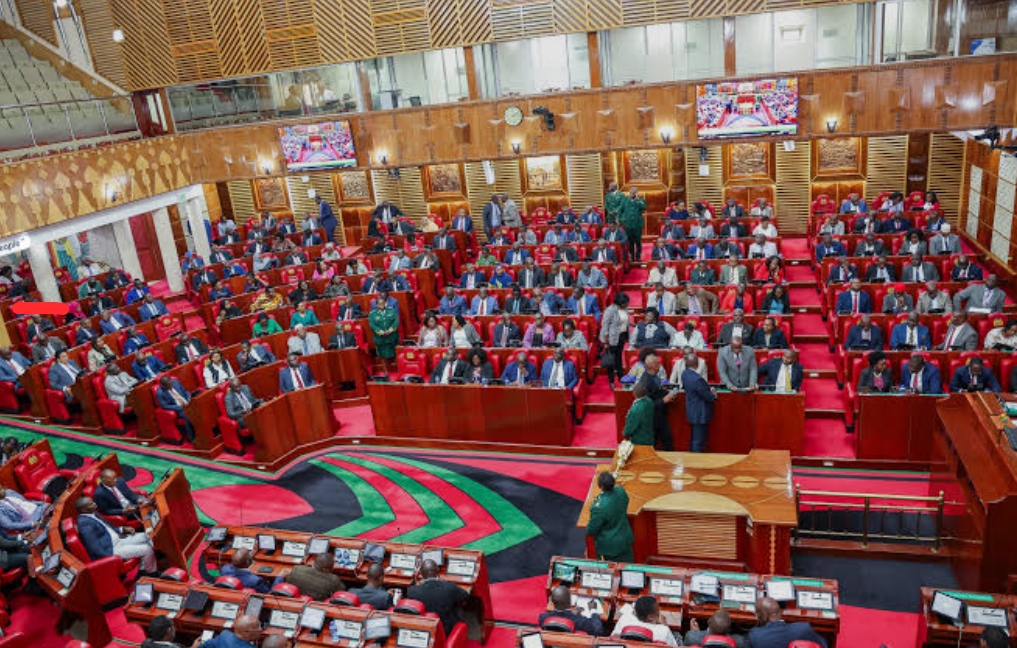

- education reform Bills in Kenya 2026
Kenya’s Parliament is considering six major education reform Bills that could reshape the country’s basic education system, teacher training, national assessments, tertiary funding and management of academic qualifications.
The proposed laws have been placed before the National Assembly as the government seeks to introduce a new legal framework for several areas of the education sector.
The Bills have been committed to the National Assembly’s Departmental Committee on Education for consideration and public participation. Parliament’s official Bills records list all six proposals among the legislation currently before the House.
The development is expected to attract considerable attention from teachers, parents, learners, teacher training institutions, universities, colleges and other education stakeholders because some of the proposals could significantly alter existing education structures.
Six education Bills before Parliament
1. The education reform package consists of six Bills:
2. Basic Education Bill, 2026
3. Tertiary Education, Placement and Funding Bill, 2026
4. Kenya National Educational Assessments Council Bill, 2026
5. Pre-Service Education and In-Service Training Bill, 2026
6. Kenya National Qualifications Framework (Amendment) Bill, 2026
7. Kenya Institute of Curriculum Development (Amendment) Bill, 2026
The six proposals cover almost the entire education chain, from basic education and curriculum development to teacher preparation, national assessment, qualifications, university placement and funding.
What the Basic Education Bill proposes
The Basic Education Bill, 2026 is one of the most significant proposals in the package.
It seeks to provide a modern legal framework for the administration and governance of basic education, including registration and management of learning institutions, quality assurance, special needs education, school governance and education data.
The Bill also addresses access to education and seeks to strengthen the implementation of the constitutional right to free and compulsory basic education.
Among the issues attracting attention are proposed changes concerning school governance, Boards of Management, parents and teachers, appointment of heads of institutions and the responsibilities of different levels of government.
The legislation is particularly important as Kenya continues implementing Competency-Based Education and transitioning learners through the new education structure.
Major changes proposed in teacher training
Teachers and teacher trainees will be watching the Pre-Service Education and In-Service Training Bill, 2026 closely.
The proposed legislation seeks to establish a legal framework for preparing people before they enter the teaching profession and for providing continuing professional development to teachers and education managers.
The proposal also provides for the establishment of a Kenya Teachers Training College.
One of the most significant proposals is the planned restructuring of public teacher training colleges. Reports on the Bill indicate that 32 existing public teacher training colleges could become campuses of the proposed Kenya Teachers Training College if the legislation is eventually enacted.
The proposal has therefore generated interest among teacher trainees, tutors and education stakeholders because of its potential impact on the organisation and administration of teacher education.
National assessment system could also change
Another major proposal is the Kenya National Educational Assessments Council Bill, 2026.
The Bill seeks to establish a new legal framework for national educational assessment and would replace the existing framework governing the Kenya National Examinations Council.
The proposed system is intended to support a broader competency-based assessment approach rather than concentrating mainly on traditional examinations.
It also proposes provisions dealing with electronic assessment and measures intended to strengthen examination integrity and combat malpractice.
For teachers and learners, this could eventually influence how national assessments are designed, administered and managed.
University and college funding reforms
The Tertiary Education, Placement and Funding Bill, 2026 targets another major area of concern: how students are placed in tertiary institutions and how government funding is administered.
The proposed legislation seeks to establish a Tertiary Education Funding Authority (TEFA).
The proposal would bring together functions currently performed by institutions involved in tertiary education financing, including the Higher Education Loans Board, Universities Fund and TVET Fund.
The Bill also proposes changes to the framework governing tertiary student placement and funding.
If enacted in its current form, the legislation could therefore have major implications for students joining universities, TVET institutions and other tertiary institutions.
Qualifications database and curriculum reforms
The Kenya National Qualifications Framework (Amendment) Bill, 2026 seeks to strengthen the regulation, recognition and tracking of academic and professional qualifications.
The proposal would give the national qualifications framework a stronger role in regulating qualification-awarding institutions and qualifications.
Meanwhile, the KICD (Amendment) Bill, 2026 seeks to revise the legal framework governing the Kenya Institute of Curriculum Development.
The proposed reforms are significant because curriculum development sits at the centre of Kenya’s transition towards Competency-Based Education.
What the parliamentary hearing means for teachers
For serving teachers, the education reform process deserves close attention.
The proposals touch areas such as teacher training, professional development, school administration, curriculum implementation and assessment.
However, teachers should note that the Bills are proposals and are not yet laws.
Public participation gives education stakeholders an opportunity to examine the proposed provisions and submit views before Parliament makes further decisions.
Parliament’s legislative process allows Bills to undergo scrutiny, committee consideration, public participation and possible amendments before they can eventually become law.
Teachers, unions, parents, students and other stakeholders can therefore use the public participation process to raise concerns, propose amendments and support provisions they consider beneficial.
Six Bills could reshape Kenya’s education system
Taken together, the six Bills represent one of the most comprehensive proposed changes to Kenya’s education legal framework in recent years.
They cover the learner’s journey from basic education through teacher preparation and assessment to tertiary education and recognition of qualifications.
The parliamentary hearings will therefore be closely watched by teachers and other stakeholders.
The crucial question will be whether Parliament adopts the proposals in their current form or introduces amendments following views submitted during public participation.
For now, the reforms remain proposals before Parliament, and stakeholders should avoid treating proposed provisions as already enacted law. The official National Assembly Bills page continues to list the six education Bills as legislation under consideration.
Finally
Kenya’s proposed education reforms could bring significant changes to basic education, teacher training, assessment, curriculum development, tertiary funding and qualifications management.
Teachers and other education stakeholders should therefore follow the parliamentary public participation process closely and review the actual Bills before submitting their views.
The outcome of the hearings and subsequent parliamentary debate will determine which proposals survive, which are amended and which could eventually become law.
READ ALSO:Proposed CBE Framework Set to Transform University Education in Kenya Ahead of 2029 Intake
education reform Bills in Kenya 2026




[…] READ ALSO:Parliament Begins Public Hearing on Six Education Reform Bills as Major Changes Loom in Kenya’s Ed… […]