



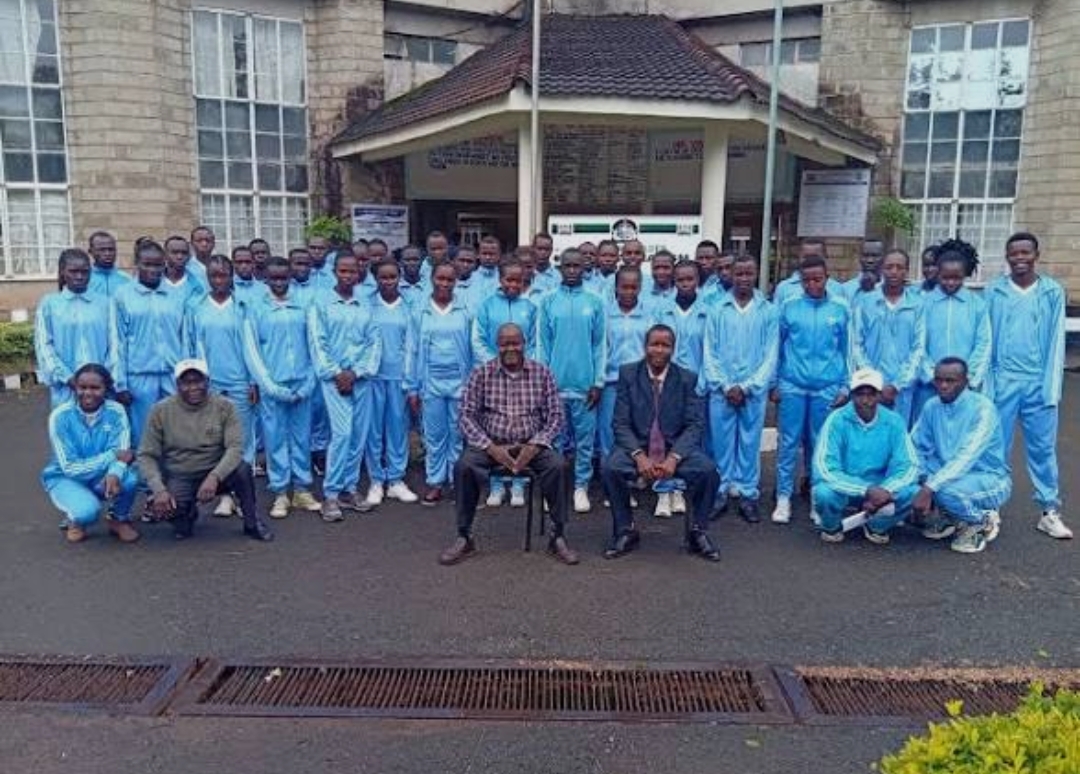

TTC intake freeze 2026
Kenya’s teacher-training system has entered a new phase, with fresh school leavers being left out of the September 2026 intake for primary teacher education as the Government moves to reorganise how teachers are trained and supplied to schools.
The development is likely to affect thousands of young Kenyans who had expected to join Teacher Training Colleges (TTCs) after completing secondary school.
Reports emerging this month indicate that the September 2026 primary teacher-training intake has been restricted, with the upgrading route mainly targeting teachers who already hold P1 or recognised ECDE qualifications.
The move comes as Kenya continues implementing Competency-Based Education (CBE) and reassessing the number and type of teachers required in the changing basic education system.
Why has the TTC intake been restricted?
One of the biggest issues behind the decision is the changing demand for primary school teachers.
For many years, thousands of school leavers entered teacher-training programmes every year. However, the transition from the former 8-4-4 system to CBC/CBE has changed the staffing structure and created concerns about producing more teachers than the system can immediately absorb.
Recent reports have pointed to a sizeable pool of trained primary teachers competing for limited employment opportunities. This has increased pressure on the Government to align teacher training with actual workforce requirements rather than continuing with large intakes regardless of demand.
The World Bank has also previously highlighted the need for Kenya to improve teacher deployment by moving teachers from areas with surpluses to schools experiencing shortages
The latest intake decision therefore appears to be part of a broader attempt to balance teacher supply with the changing requirements of the education system.
Who can still pursue primary teacher training?
The restriction does not mean that teacher training has completely stopped.
The available upgrading pathway is aimed at people who are already serving as teachers and hold relevant qualifications.
KUCCPS information on teacher-upgrading programmes has previously targeted holders of P1 and ECDE certificates seeking to improve their qualifications to diploma level. The objective is to strengthen the skills of teachers already in the system while reducing unnecessary expansion of the pool of newly trained teachers.
The KUCCPS programme information also lists a minimum mean grade of C plain for the Diploma in Primary Teacher Education (DPTE) programme.
However, aspiring teachers should carefully check the current KUCCPS placement information before making decisions because teacher-training programmes and entry requirements are being revised as part of the wider CBE reforms.
What happens to 2025 KCSE candidates?
The development is particularly significant for candidates who sat the 2025 KCSE examination and had hoped to enter a public TTC in 2026.
Unlike previous cycles, where KCSE graduates could compete for available TTC places, the September 2026 primary teacher-training intake has not followed the same pattern.
This means candidates who had planned to become primary school teachers may now have to consider alternative education and training pathways.
They should not assume that the closure of one teacher-training route means their education journey has ended.
University degree programmes, TVET courses and other diploma programmes remain possible alternatives depending on a student’s KCSE results, interests and career plans.
Teacher training is also being redesigned
The intake restriction comes against the background of wider changes to teacher education.
Earlier in 2026, the Government moved to consolidate aspects of pre-primary and primary teacher education. The former Diploma in Early Childhood Teacher Education (DECTE) was merged with the Diploma in Primary Teacher Education (DPTE) under a new Diploma in Teacher Education Pre-Primary and Primary (DTE PP & P) framework.
The Ministry said the changes were intended to produce teachers capable of handling the needs of learners across the early years and primary levels.
The new direction is closely connected to Kenya’s transition towards competency-based learning, where teachers are expected to develop learners’ competencies rather than concentrate only on traditional content delivery.
What should aspiring teachers do now?
Young people who had planned to join TTCs should avoid relying on social-media claims alone.
The first step should be checking the latest information from KUCCPS and the Ministry of Education before paying fees to any college or accepting information from unofficial agents.
Candidates should also consider related programmes that can provide alternative career opportunities in education, ICT, technical training, business, agriculture, health and other growing sectors.
For those who already hold P1 or ECDE qualifications, the upgrading route could provide an opportunity to improve their academic credentials and prepare for the changing requirements of the teaching profession.
The bigger picture
The TTC intake decision represents more than a temporary change in college admissions.
It signals a growing shift towards demand-driven teacher training in Kenya.
Instead of simply increasing the number of trained teachers every year, education planners are increasingly being forced to consider where teachers are needed, which subjects and levels have shortages, and how the transition to CBE is changing staffing requirements.
The decision may disappoint thousands of young people who had hoped to enter teaching immediately after KCSE. At the same time, policymakers argue that controlling intake can help prevent the continued growth of a pool of qualified teachers who may struggle to find employment.
What aspiring teachers should remember
The most important message for prospective trainees is that the teaching profession is changing.
The September 2026 TTC restriction does not mean that teacher training has permanently disappeared. Rather, Kenya is restructuring teacher education and attempting to match training more closely with the needs of the education system.
Anyone planning to pursue teaching should therefore follow official KUCCPS and Ministry of Education announcements closely and confirm the current requirements before applying.
For now, the clearest picture is that fresh school leavers have been excluded from the September 2026 primary teacher-training intake, while upgrading opportunities remain available for eligible serving teachers.
The reported three-year freeze should, however, be treated cautiously until the Government publishes a clear official notice confirming the exact duration and scope of the restriction.
TTC intake freeze 2026.




[…] READ ALSO:TTC Intake Freeze: Fresh KCSE Graduates Face Major Change as Kenya Reshapes Teacher Training […]